무엇을 찾고 계신가요?
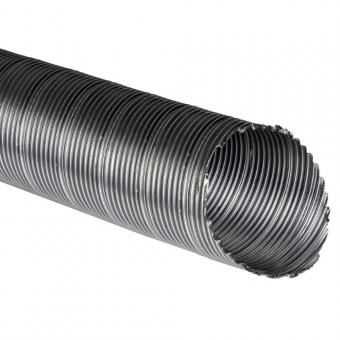
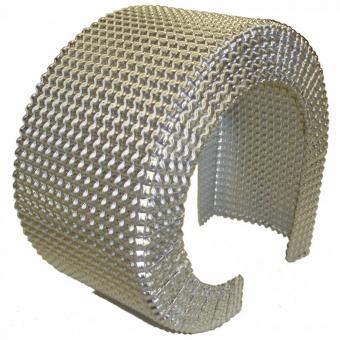
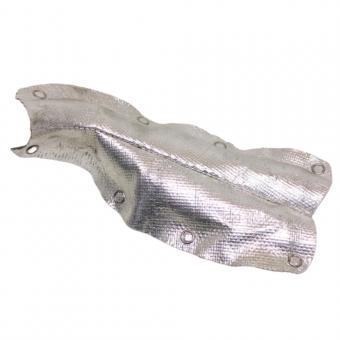
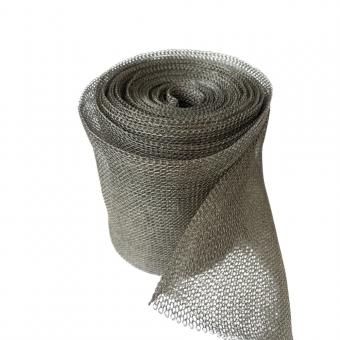
Exhaust pipes routinely reach extreme surface temperatures, which can lead to heat damage to nearby components, reduced system efficiency, and increased safety risks. Heat shields designed specifically for exhaust pipes help manage radiant heat, reduce surface temperatures, and protect surrounding hoses, cables, wiring, and structural components.
Modern engines and industrial power systems generate higher exhaust temperatures than ever before. Without proper thermal protection, excessive heat can accelerate material aging, degrade insulation, and increase maintenance costs.
An exhaust pipe heat shield acts as a thermal barrier, limiting heat transfer and improving overall system reliability. These solutions are increasingly used in:
Automotive exhaust systems
Commercial vehicles and heavy-duty trucks
Industrial engines and generators
Marine propulsion systems
Performance and motorsport applications
As operating environments become more demanding, heat shielding is no longer optional but a core component of exhaust system design.
Recent developments in high-temperature materials have expanded the performance range of exhaust pipe heat shields. Advanced fiberglass, silica, basalt, and ceramic-based materials offer improved resistance to radiant heat, vibration, and thermal cycling.
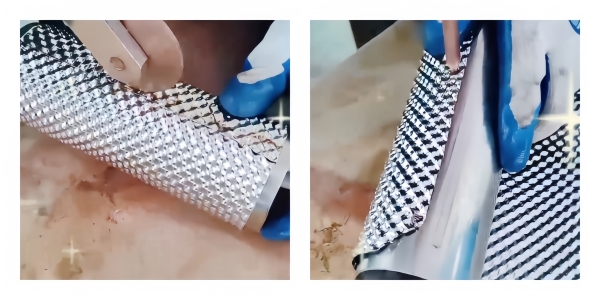
Flexible heat shields are gaining attention for their ease of installation and adaptability to complex exhaust geometries. These designs allow manufacturers and maintenance teams to protect exhaust pipes without extensive system modifications.
Effective exhaust pipe heat shielding plays an important role in workplace safety and regulatory compliance. By reducing external surface temperatures, heat shields help minimize burn risks, protect adjacent components, and support compliance with industry safety standards.
In industrial settings, proper heat shielding also contributes to improved uptime by reducing unplanned maintenance caused by heat-related failures.
As exhaust systems evolve, the role of exhaust pipe heat shields will continue to expand. Manufacturers are expected to focus on higher temperature resistance, longer service life, and materials that balance thermal performance with weight and flexibility.
With ongoing advancements in thermal insulation technology, exhaust pipe heat shield solutions are set to remain a key element in modern exhaust system protection strategies.

No.10, Chuangxin North Road, Nanshan Park, Ningguo Economic and Technological Development Zone, Ningguo City, Anhui Province, China
전화/Whatsapp : 0086-15856303740
Skype : vanesa-cheng