무엇을 찾고 계신가요?
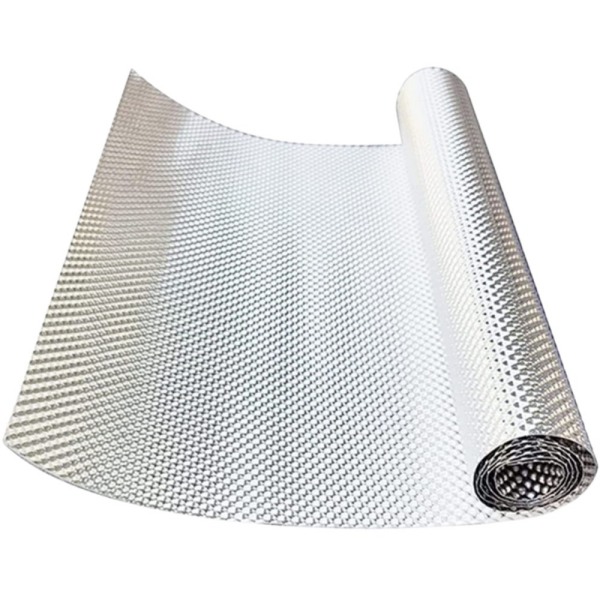
양각 스테인리스강 방열판의 적절한 두께를 선택하는 것은 방열판 설계 및 제작에서 가장 중요한 결정 중 하나입니다. 두께는 강성, 무게, 성형성, 진동 저항성, 설치 안정성 및 실제 배기열 환경에서의 장기 내구성에 영향을 미칩니다. 판이 너무 얇으면 일부 용도에 필요한 구조적 안정성을 확보하지 못할 수 있으며, 반대로 너무 두꺼우면 불필요한 무게가 추가되거나 협소한 공간에서 성형 유연성이 떨어질 수 있습니다.
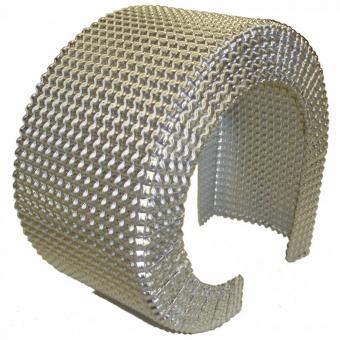
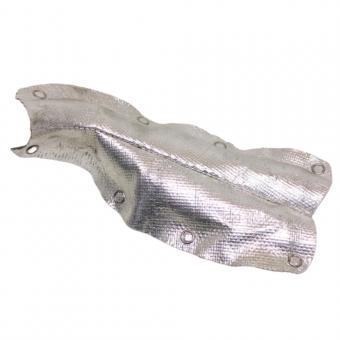
BSTFLEX에서는 저희는 엠보싱 처리된 스테인리스 스틸 단열 시트 배기열 차폐막, 터보 열 차폐막, 촉매 변환기 차폐막, 머플러 차폐막, 방화벽 차폐막 및 차체 하부 열 보호 장치 등에 널리 사용됩니다. 인기 있는 두께는 다음과 같습니다. 0.1mm , 0.15mm , 그리고 0.2mm 이는 일반적인 자동차 및 산업용 열 차폐막 제작 요구 사항을 많이 충족합니다.
두께는 단순히 치수적인 요소일 뿐만 아니라, 절단, 접기, 스탬핑, 성형, 설치 및 장기 사용 과정에서 열 차폐재의 거동에 직접적인 영향을 미칩니다. 자동차 및 배기 시스템 분야에서 열 차폐 시트는 열원 주변의 형상을 유지하면서 진동, 반복적인 열 순환, 공기 흐름 및 설치 과정에서 발생하는 응력을 견뎌야 합니다.
엠보싱 처리된 스테인리스강판의 두께를 선택할 때는 재료비만 고려하기보다는 전체 적용 환경을 종합적으로 고려해야 합니다. 적절한 두께는 성능, 가공 효율성, 그리고 수명 사이의 균형을 맞추는 데 도움이 됩니다.
두꺼운 판재는 일반적으로 더 높은 구조적 강성을 제공합니다. 이는 열 차폐막이 넓은 면적에 걸쳐 형태를 유지해야 하거나, 진동에 저항해야 하거나, 배기 부품 근처에서 더 안정적인 공극을 유지해야 할 때 유용합니다.
얇은 판재는 특히 소형이거나 복잡한 디자인의 경우 절단, 접기 및 성형이 더 쉬운 경우가 많습니다. 부품에 급격한 굽힘이나 정교한 성형이 필요한 경우, 얇은 판재를 사용하는 것이 더 실용적일 수 있습니다.
더 얇은 스테인리스강판을 사용하면 부품 전체 무게를 줄일 수 있습니다. 이는 고성능, 레이싱 또는 무게에 민감한 자동차 분야에 중요할 수 있습니다.
경우에 따라 두꺼운 엠보싱 시트는 대형 차폐막이나 까다로운 설치 환경에 더 나은 내구성을 제공할 수 있습니다. 하지만 항상 가장 두꺼운 옵션을 선택하는 것이 정답은 아닙니다. 최적의 선택은 부품의 제작 및 사용 목적에 따라 달라집니다.
배기 파이프, 터보차저, 촉매 변환기 또는 머플러 근처에 열 차폐막을 장착할 때는 설치 안정성이 중요합니다. 두께는 설치 후 및 반복적인 가열 및 냉각 주기 동안 차폐막의 변형 저항성에 영향을 미칩니다.
엠보싱 처리는 표면에 구조를 부여하여 판재의 강성을 향상시킵니다. 따라서 엠보싱 처리된 스테인리스강 판재는 동일한 두께의 평판 판재보다 우수한 강성을 제공하는 경우가 많습니다. 이러한 이유로 판재 두께 선택은 단순히 두께만을 고려해서는 안 됩니다. 패턴 디자인과 엠보싱 깊이 또한 최종 부품의 거동에 영향을 미칩니다.
시트에 효과적인 엠보싱 패턴이 적용된 경우, 일부 용도에서는 더 얇은 소재로도 충분한 강성을 확보할 수 있습니다. 하지만 부품이 크거나, 외부에 많이 노출되거나, 더 강력한 치수 안정성이 필요한 경우에는 더 두꺼운 소재를 사용하는 것이 더 나은 선택일 수 있습니다. BSTFLEX는 이러한 점을 지원합니다. 맞춤형 엠보싱 스테인리스 스틸 시트 다양한 프로젝트 요구 사항에 맞춰 여러 가지 기존 엠보싱 금형 옵션을 활용하여 생산합니다.
두께를 선택하는 가장 실용적인 방법은 적용 환경, 부품 크기, 성형 방법 및 성능 목표에 맞춰 판재를 선택하는 것입니다.
0.1mm 무게를 줄이고 성형성을 높이는 것이 우선시될 때 주로 선택됩니다. 가벼운 열 차폐 구조물, 보다 유연한 제작 요구 사항, 그리고 부품에 최고 수준의 강성이 필요하지 않은 용도에 적합합니다.
0.1mm를 선택하는 일반적인 이유:
이 두께는 소형 성형 차폐막, 경량 차폐 구조 및 최대 구조적 강도보다 유연성이 더 중요한 특정 맞춤형 응용 분야에 적합한 경우가 많습니다.
0.15mm 이 두께는 일반적인 열 차폐막 제작에 있어 가장 균형 잡힌 선택인 경우가 많습니다. 강성, 성형성, 내구성 및 적절한 무게가 실용적으로 조합되어 있습니다. 많은 배기 열 차폐막 프로젝트에서 이 두께는 훌륭한 중간 옵션이 됩니다.
0.15mm를 선택하는 일반적인 이유:
OEM 방식 및 애프터마켓 방식의 많은 애플리케이션에서 0.15mm는 실용적이고 효율적인 선택입니다.
0.2mm 일반적으로 더 높은 강성과 구조적 안정성이 요구될 때 선택됩니다. 대형 차폐막, 진동에 더 많이 노출되는 용도 또는 시간이 지남에 따라 형상을 더욱 철저하게 유지해야 하는 부품에 유용합니다.
0.2mm를 선택하는 일반적인 이유:
이러한 두께는 보다 견고한 구조적 차폐 설계에 적합할 수 있지만, 프로젝트에서 더 얇은 옵션에 비해 추가 무게와 유연성 감소를 감수할 수 있어야 합니다.
| 두께 | 주요 장점 | 가장 적합한 대상 | 일반적인 특징 |
|---|---|---|---|
| 0.1mm | 무게가 가볍고 성형이 더 쉽습니다. | 소형 부품, 유연한 제조 공정, 무게에 민감한 설계 | 더 유연함 |
| 0.15mm | 균형 잡힌 강성과 성형성 | 일반 배기열 차폐막 제작 | 가장 다재다능한 |
| 0.2mm | 더 높은 강성과 더 뛰어난 형태 유지력 | 더 큰 방패, 더 견고한 구조물, 더 높은 안정성 요구 사항 | 더 단단하게 |
0.1mm, 0.15mm, 0.2mm 중에서 선택하기 전에 다음 질문을 고려해 보는 것이 좋습니다.
이러한 질문들은 경량화의 성형성 또는 강성 강화 중 어느 것이 선택의 기준이 되어야 하는지를 판단하는 데 도움이 됩니다.
배기 파이프 차폐재의 두께는 부품 크기, 장착 방식 및 진동 노출 정도를 고려하여 선택해야 합니다. 작은 차폐재는 얇은 재질로도 충분할 수 있지만, 크거나 진동에 더 많이 노출되는 차폐재는 더 두꺼운 재질이 필요할 수 있습니다.
터보 영역 적용 분야는 종종 더 높은 열과 협소한 설치 공간에 직면합니다. 두께 선택 시 열 강도와 형상 가공 필요성을 모두 고려해야 합니다. 일부 초고온 환경에서는 더 높은 등급의 합금 솔루션이 필요할 수 있습니다. 합금 625 인코넬 열 차폐판 더 적절할 수도 있습니다.
촉매 변환기 보호에는 일반적으로 형태 유지력이 우수한 안정적이고 내구성 있는 보호막이 필요합니다. 두께는 보호막의 크기와 장착 구조에 맞춰야 합니다.
방화벽 패널이나 차체 하부 보호판과 같이 넓은 면적을 덮는 부품의 경우, 강성과 패널 안정성이 더욱 중요해집니다. 형상 및 지지 구조에 따라 균형 잡힌 두께 또는 더 두꺼운 두께가 선호되는 경우가 많습니다.
두께 또한 제조 계획에 맞춰야 합니다. 판재를 절단하여 자재로만 공급하는 경우와 판재를 스탬핑, 접기 또는 성형하여 완제품으로 만들어야 하는 프로젝트는 두께 결정 방식이 다를 수 있습니다. BSTFLEX는 도면, 샘플, 치수 또는 적용 분야 요구 사항에 따라 엠보싱 처리된 스테인리스강 단열 판재의 맞춤 개발을 지원합니다.
우리의 엠보싱 처리된 스테인리스 스틸 단열 시트 이 제품은 판재 공급 또는 맞춤형 열 차폐 프로젝트에 사용 가능하며, 다양한 강성 및 성형성 목표를 지원하기 위해 여러 가지 엠보싱 금형 옵션을 제공합니다.
양각 스테인리스강 열 차폐판의 최적 두께는 강성, 성형성, 무게, 적용 환경 및 장기 사용 요구 사항 간의 균형에 따라 달라집니다. 많은 프로젝트에서, 0.1mm , 0.15mm , 그리고 0.2mm 각각은 명확한 역할을 가지고 있습니다. 얇은 판재는 가볍거나 복잡한 형태의 부품에 더 적합할 수 있고, 두꺼운 판재는 더 견고한 구조물이나 더 큰 차폐막에 더 적합할 수 있습니다.
배기 시스템, 터보차저, 촉매 변환기, 방화벽 또는 차체 하부 열 차폐막 제작에 필요한 자재를 선택하시는 경우, BSTFLEX는 적합한 자재를 추천해 드릴 수 있습니다. 스테인리스강 단열 시트 두께는 부품 설계, 엠보싱 패턴 및 적용 요구 사항에 따라 결정됩니다.
많은 용도에서 0.15mm는 강성, 성형성 및 관리 가능한 무게의 균형 잡힌 조합을 제공하기 때문에 실용적인 중간 선택입니다.
0.1mm 두께는 단순히 두꺼운 재료를 사용하는 것보다 엠보싱 패턴 디자인을 통해 충분한 강성을 확보하면서 성형이 용이하고 무게가 가벼운 프로젝트에 적합한 경우가 많습니다.
차폐막에 더 높은 강성, 더 강력한 형상 유지력 또는 더 크고 까다로운 용도에서 더 나은 구조적 안정성이 필요할 때 0.2mm 두께가 자주 선택됩니다.
경우에 따라서는 그렇습니다. 엠보싱 처리는 강성을 향상시키기 때문에 동일한 두께의 평면 시트보다 엠보싱 처리된 시트가 더 높은 강성을 제공할 수 있습니다. 하지만 최종적인 선택은 용도와 부품 설계에 따라 달라집니다.
예. BSTFLEX는 적용 위치, 부품 크기, 엠보싱 패턴, 성형 방법 및 성능 목표를 고려하여 적절한 두께를 추천해 드릴 수 있습니다.

No.10, Chuangxin North Road, Nanshan Park, Ningguo Economic and Technological Development Zone, Ningguo City, Anhui Province, China
전화/Whatsapp : 0086-15856303740
Skype : vanesa-cheng