other
What Is Embossed Stainless Steel Heat Shield Foil? Apr 25, 2026

What Is Embossed Stainless Steel Heat Shield Foil?

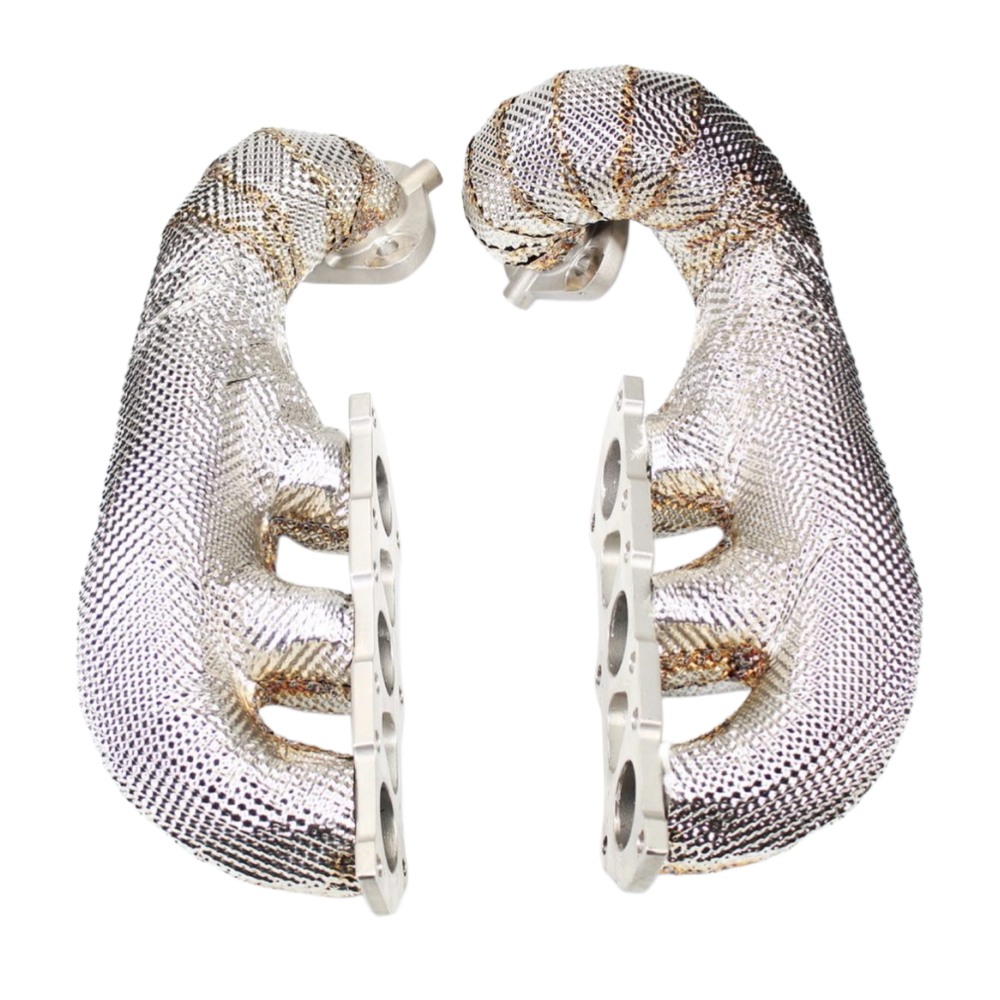
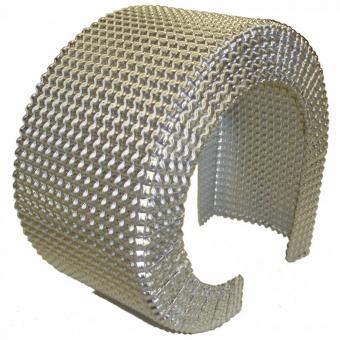
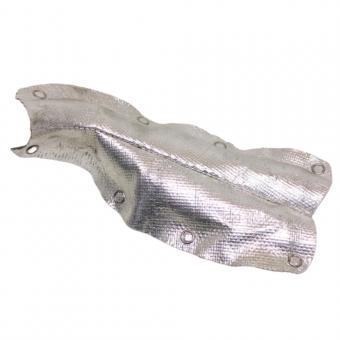
Embossed stainless steel heat shield foil is a thin, formable metal thermal barrier used to fabricate exhaust heat shields, turbo shields, catalytic converter shields, muffler shields, firewall barriers, and underbody protection panels. Unlike a plain flat stainless steel sheet, the embossed or dimpled surface adds structural stiffness, improves shape retention, and helps the material hold a formed profile after cutting, bending, folding, or stamping.

For automotive exhaust applications, this makes embossed stainless steel heat shield material a practical choice when a part must stay rigid near vibration, road splash, heat cycling, and limited installation space.

Better Formability The thin stainless steel foil can be cut, bent, folded, stamped, or formed into custom heat shield shapes.
Higher Rigidity The embossed surface increases stiffness compared with a smooth flat foil of similar thickness.
Exhaust-Ready Structure Suitable for exhaust pipe shields, turbo areas, catalytic converters, mufflers, and motorcycle exhaust protection.

How Embossed Stainless Steel Heat Shield Foil Works

A heat shield is not only a piece of metal placed near a hot part. In real exhaust systems, it must manage radiant heat, resist vibration, keep a stable shape, and fit into tight spaces around pipes, brackets, sensors, wiring, and body panels. Embossed stainless steel heat shield foil solves these problems by combining a thin stainless steel base with a raised surface pattern.

The embossed pattern changes the flat sheet into a more three-dimensional structure. This helps the material resist oil-canning, bending distortion, and local deformation. For custom exhaust heat shield fabrication, that extra stiffness is useful because the shield can remain lightweight while still feeling solid after forming.

This is why a stainless steel heat shield foil is often selected for projects where the customer needs a material that can be trimmed and shaped, but still needs enough rigidity for long-term installation.

Why Use a Dimpled Stainless Steel Heat Shield?

A dimpled stainless steel heat shield uses repeated raised points or textured geometry to improve mechanical performance. The dimples do not replace the base metal strength, but they help the foil behave more like a structured panel instead of a loose flat sheet.

Embossed Stainless Steel Heat Shield Foil

Design Factor Flat Stainless Steel Foil Embossed / Dimpled Stainless Steel Foil
Rigidity Lower stiffness at the same thickness Improved stiffness from the raised surface pattern
Shape Retention Can deform more easily after cutting or bending Holds formed profiles more reliably
Fabrication Easy to cut and bend, but less stable in larger panels Easy to fabricate with better panel stability
Exhaust Use Useful for simple barriers Better for custom exhaust heat shield parts
Appearance Plain metal surface Technical, structured, finished heat shield appearance

Why Embossing Makes the Foil Easier to Form

Embossing gives the stainless steel heat shield foil a textured structure. During fabrication, this structure helps the material bend in a more controlled way and reduces the feeling of a thin, unstable sheet. When a fabricator cuts a shield blank and bends flanges or curved sections, the embossed surface helps the part stay more stable.

This is especially important for exhaust pipe heat shields and motorcycle exhaust heat shields, where the shield may need to wrap around curved pipes or follow irregular shapes. A plain flat foil can flex too much after installation. A dimpled stainless steel heat shield has better panel memory and a more finished structural feel.

Common Thickness Choices

BSTFLEX supplies embossed stainless steel heat shield material in popular thin-gauge options used for automotive thermal protection. The right thickness depends on part size, bending method, mounting method, weight requirement, and rigidity target.

Thickness Typical Use Practical Benefit
0.10 mm Lightweight heat shield foil, flexible wrap-style barriers, small formed parts Easy cutting, easy forming, lower weight
0.15 mm General exhaust heat shield fabrication, turbo area panels, underbody shields Balanced formability and stiffness
0.20 mm Stronger formed shields, larger panels, parts needing higher structural stability Improved rigidity and shape retention

For customers comparing several materials in the early design stage, BSTFLEX Automotive Heat Shields also include flexible barriers, sleeves, wraps, blankets, tapes, and metal heat shield solutions for different temperature zones and installation methods.

Where Embossed Stainless Steel Heat Shield Foil Is Used

Embossed stainless steel foil is mainly used where heat, vibration, and installation space must be controlled at the same time. It is suitable for both OEM-style heat shield fabrication and aftermarket thermal protection projects.

  • Exhaust pipe heat shields
  • Motorcycle exhaust heat shield guards
  • Turbocharger and downpipe heat barriers
  • Catalytic converter heat shields
  • Muffler and resonator thermal shields
  • Firewall and bulkhead heat barriers
  • Floor pan and underbody heat protection panels
  • Engine bay heat shield panels
  • Fuel line, brake line, and wiring protection zones
  • Custom stamped or folded exhaust heat shield parts

Why Stainless Steel Is Used for Exhaust Heat Shields

Stainless steel is commonly selected for exhaust heat shield fabrication because it provides good durability, corrosion resistance, mechanical strength, and long service life in harsh vehicle environments. Exhaust systems are exposed to high temperature, vibration, moisture, road debris, and repeated thermal cycling. A stainless steel exhaust heat shield can handle these conditions better than many lightweight alternatives when structural durability is a priority.

Aluminum heat shield materials are often used where lightweight radiant reflection is the main requirement. Stainless steel is often preferred where the shield needs stronger mechanical support, better vibration resistance, and longer durability near exhaust components.

Embossed Stainless Steel vs Aluminum Heat Shield Material

Requirement Embossed Stainless Steel Heat Shield Aluminum Heat Shield Material
Structural rigidity Stronger, especially after embossing Lighter but generally softer
Durability near exhaust Good for demanding exhaust and underbody zones Useful for many radiant heat applications
Formed heat shield parts Good for folded, stamped, and shaped shields Good where weight is the first priority
Vibration resistance Better structural stability Depends on thickness and construction
Typical selection reason Strength, rigidity, durability Low weight and reflective surface

For projects where aluminum is more suitable, BSTFLEX also supplies Embossed Aluminum Thermal Barrier Sheet and other heat shield barrier materials. For extreme exhaust and turbo environments, customers can also review Alloy 625 Inconel Heat Shield.

Why It Is Suitable for Custom Exhaust Heat Shield Fabrication

Exhaust heat shield parts are often not simple flat plates. They may need curved edges, mounting holes, folds, ribs, stand-off zones, or cutouts for sensors and brackets. Embossed stainless steel heat shield foil gives fabricators a material that can be processed into these shapes while still maintaining a firm structure.

It can be used as a sheet material for customers who produce their own heat shield parts, or it can be developed into custom shields according to drawings, samples, or installation dimensions. This is useful for exhaust system manufacturers, motorcycle exhaust brands, automotive modification suppliers, thermal insulation distributors, and industrial fabrication companies.

Available Custom Options

  • 304 stainless steel heat shield foil
  • Embossed or dimpled surface patterns
  • Popular thicknesses including 0.10 mm, 0.15 mm, and 0.20 mm
  • Custom sheet size or roll supply
  • Cut-to-size heat shield blanks
  • Folded, stamped, or formed heat shield parts
  • OEM development according to drawing or sample
  • Packaging options for distributors and project buyers

Related BSTFLEX Heat Shield Products

For complete automotive thermal management, embossed stainless steel foil can be used together with other heat shield materials, wraps, liners, and high-temperature barriers.

How to Select the Right Embossed Stainless Steel Heat Shield Foil

The best material choice depends on the installation area, shield size, forming method, and temperature exposure. Before choosing thickness or pattern, confirm whether the part will be used as a simple barrier, a curved pipe shield, a stamped panel, or a structural exhaust shield.

Question Why It Matters
Where will the shield be installed? Exhaust pipe, muffler, turbo, catalytic converter, firewall, and underbody areas have different heat and vibration conditions.
Is the shield flat, curved, folded, or stamped? The forming method affects thickness selection and embossing pattern choice.
Does the part need high rigidity? Larger panels or exposed underbody parts may need stronger material or deeper embossing.
Is the customer buying sheet material or finished parts? Sheet supply and custom formed heat shield production require different quotation details.
Is a drawing or sample available? A drawing or sample helps confirm size, holes, bends, edge shape, and installation method.

FAQ

What is embossed stainless steel heat shield foil?

It is a thin stainless steel thermal barrier material with an embossed or dimpled surface. The raised pattern improves stiffness and helps the foil hold its shape after cutting, bending, or forming.

Why is embossed stainless steel better than plain flat foil for heat shields?

The embossed structure increases rigidity and shape stability. This makes the material more suitable for custom exhaust heat shield fabrication, especially where the part must resist vibration and thermal cycling.

Where is dimpled stainless steel heat shield material used?

It is used for exhaust pipe heat shields, motorcycle exhaust guards, turbo heat barriers, catalytic converter shields, muffler shields, firewall barriers, and underbody heat protection panels.

Can embossed stainless steel heat shield foil be cut and formed?

Yes. It can be cut, folded, bent, stamped, and formed into custom heat shield parts. It is suitable for both sheet supply and OEM heat shield fabrication.

What thickness is commonly used for stainless steel heat shield foil?

Common options include 0.10 mm, 0.15 mm, and 0.20 mm. The right thickness depends on part size, forming method, rigidity requirement, and installation environment.

Can BSTFLEX make custom embossed stainless steel heat shields?

Yes. BSTFLEX can supply embossed stainless steel heat shield material and support custom heat shield development according to drawings, samples, dimensions, and project requirements.

Request Embossed Stainless Steel Heat Shield Foil

To receive a suitable material recommendation and quotation, please provide the application position, required thickness, sheet size or part dimensions, embossing preference, drawing or sample if available, and estimated order quantity.

View the product here: BSTFLEX Embossed Stainless Steel Thermal Barrier Sheet

For more automotive thermal protection products, visit: Automotive Heat Shields

뉴스레터 구독하기
월간 프로모션에 가입하고 최신 제품 소식을 받아보세요!
메세지를 보내다
메세지를 보내다
IF 우리의 제품에 관심이 있으시고 자세한 내용을 알고 싶습니다. 여기에 메시지를 남겨주세요, 우리는 최대한 빨리 당신을 회신 할 것입니다.

제품

~에 대한

연락하다