무엇을 찾고 계신가요?
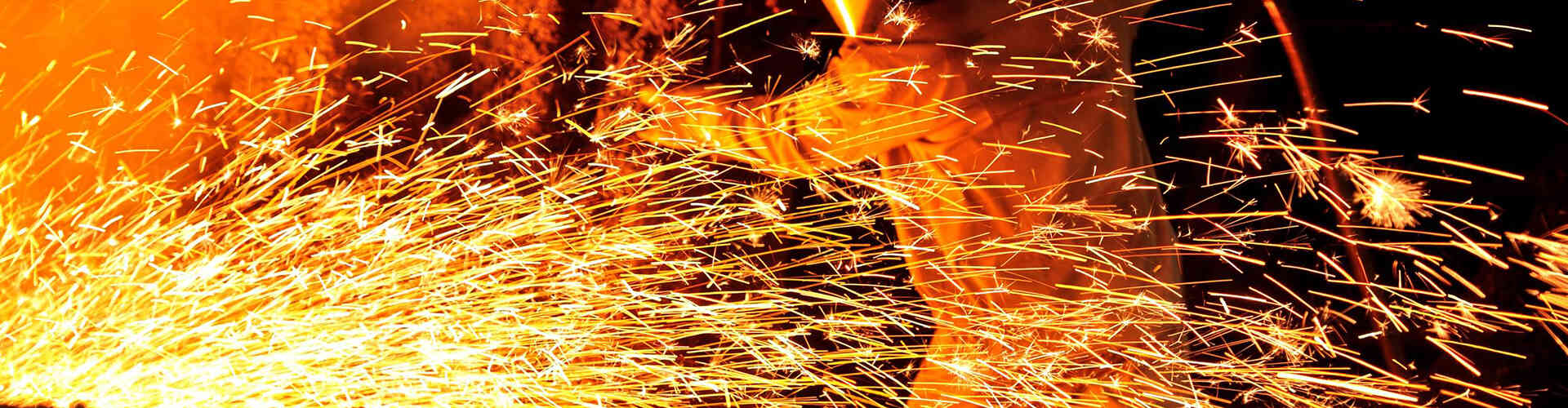
뜨거워진 배기 파이프는 직경에서 예상되는 것보다 훨씬 더 큰 열 문제를 일으킬 수 있습니다.
차량, 발전기실, 선박 엔진실 또는 산업 기계에서 배기 파이프는 전기 배선, 유압 호스, 연료 라인, 차체 패널, 센서 또는 정비 구역에서 불과 몇 센티미터 떨어져 있을 수 있습니다. 배기 시스템이 작동 온도에 도달하면 이 작은 간격이 전체 열 설계에서 매우 중요한 요소가 될 수 있습니다.
여기가 바로 그곳입니다배기 파이프 단열재필요해진다.
올바른 단열 시스템은 단순히 뜨거운 파이프를 덮는 것 이상의 역할을 합니다. 진동, 반복적인 온도 변화, 오염, 움직임 및 유지 보수에도 견딜 수 있어야 하며, 동시에 열을 효과적으로 제어해야 합니다.
이러한 이유로 온도 등급만으로 단열재를 선택하는 것은 충분하지 않은 경우가 많습니다.
BSTFLEX는 개발합니다배기열 차폐 단열재자동차, 디젤, 해양, 발전기 및 산업용 배기 시스템에 사용되는 탈착식 파이프 블랭킷, 단열재, 열 차단 랩, 유연 슬리브 및 금속 열 차단재를 포함합니다.
단열재를 선택하기 전에 해결해야 할 문제가 무엇인지 파악하십시오.
배기 파이프에 단열재가 필요한 이유는 다음과 같습니다.
근처의 배선 하네스가 과열되고 있습니다.
밀폐된 공간의 온도가 너무 높습니다.
작업자는 뜨거운 표면에 노출됩니다.
열이 연료 또는 유압 라인에 도달하고 있습니다.
차량 바닥이 과도한 복사열을 받고 있습니다.
엔진실의 환기가 불충분합니다.
배기 파이프는 하류에서 더 많은 열을 유지해야 합니다.
주변 장비가 현재 온도를 견딜 수 없습니다.
이것들은 서로 다른 문제입니다.
배기 파이프 온도가 동일하더라도 서로 다른 단열 시스템이 필요할 수 있습니다.
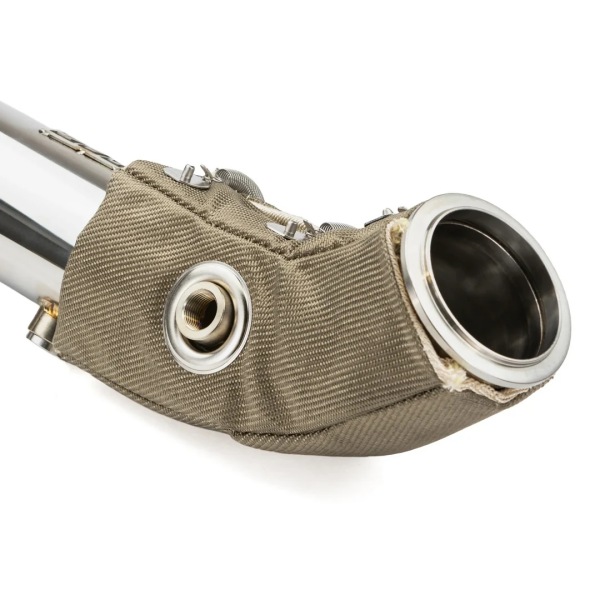
예를 들어, 차량 바닥을 복사열로부터 보호하려면 반사막이 적합할 수 있으며, 발전기 배기 파이프의 외부 표면 온도를 낮추려면 두꺼운 탈착식 단열 담요가 필요할 수 있습니다.
배기 파이프 단열재는 일반적으로 네 가지 실질적인 범주로 나뉩니다.
탈착식 블랭킷은 특정 파이프 직경 또는 배기 형상에 맞게 제작됩니다.
일반적으로 다음 내용을 포함합니다:
내부 내열층;
단열재;
외부 보호층;
기계적 체결.
이러한 구조는 유지보수 접근성이 중요한 경우에 특히 적합합니다.
일반적인 설치 사례는 다음과 같습니다.
디젤 발전기;
선박용 엔진;
산업용 엔진;
대형 배기 파이프;
소음기;
배기 엘보.
담요는 하나의 긴 조각이 아니라 여러 부분으로 제작될 수 있으므로 기술자는 검사에 필요한 부분만 제거할 수 있습니다.
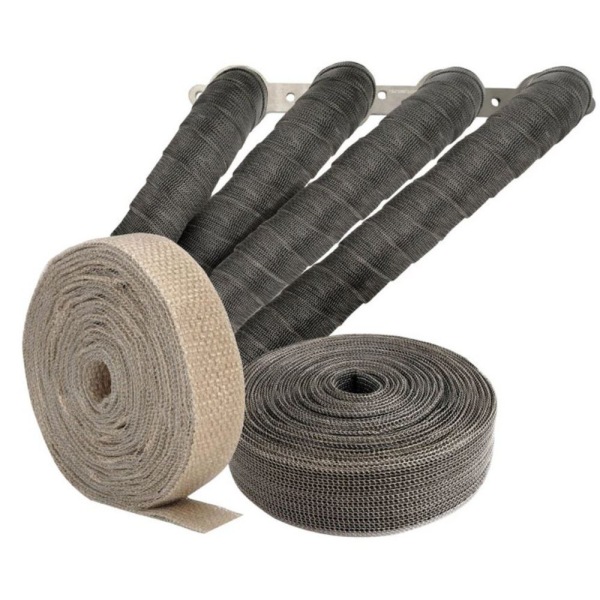
배기가스 단열재는 롤 형태로 제공되며 파이프 주위에 나선형으로 감습니다.
널리 사용되는 용도는 다음과 같습니다.
자동차 헤더;
오토바이;
고성능 배기 시스템;
소구경 배기관;
맞춤형 배기 장치 제작.
BSTFLEX 공급배기 및 헤더 열 차폐 랩다양한 고온 섬유 구조에서.
랩핑은 긴 관형 표면을 단열하는 간단한 방법이지만, 배기 시스템을 정기적으로 열어 정비해야 하는 경우에는 불편합니다.
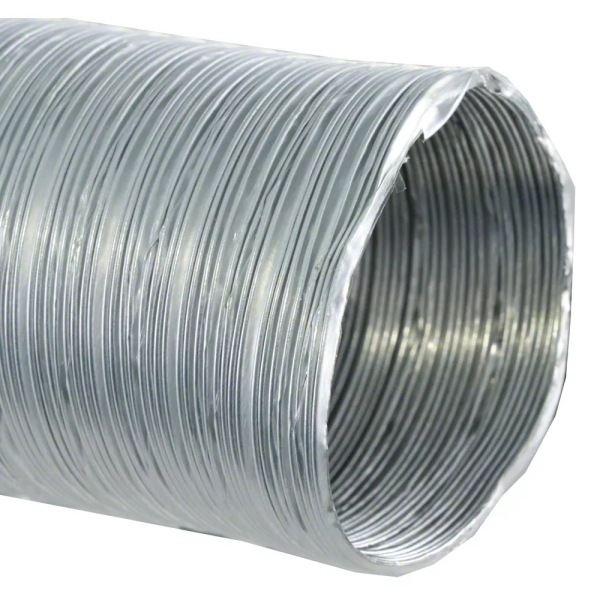
일부 배기 라인은 제작된 블랭킷 대신 슬리브형 솔루션이 필요합니다.
직경과 형태가 비교적 단순한 소형 배기관에는 유연한 단열재를 설치할 수 있습니다.
예를 들어 BSTFLEX디젤 히터 배기가스 단열재이 제품은 디젤 난방 시스템과 같은 용도에 사용되는 소형 배기 배관용으로 설계되었습니다.
슬리브 및 단열재 솔루션은 다음과 같은 경우에 특히 유용할 수 있습니다.
설치 공간이 제한되어 있습니다.
파이프의 크기는 비교적 작습니다.
지속적인 모니터링이 필요합니다.
견고한 보호막은 설치하기 어려울 것입니다.
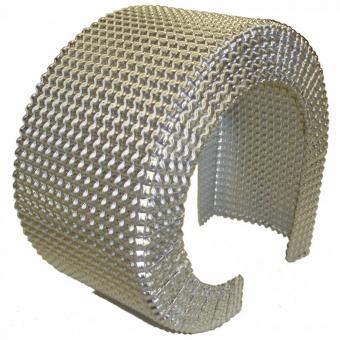
금속 보호막이 반드시 파이프에 닿을 필요는 없습니다.
대신, 일반적으로 차폐막과 열원 사이에 제어된 간격을 두고 설치됩니다.
이러한 배치는 특히 주변 부품으로 향하는 복사열을 줄이는 데 효과적입니다.
일반적인 재료는 다음과 같습니다.
알류미늄;
스테인리스강;
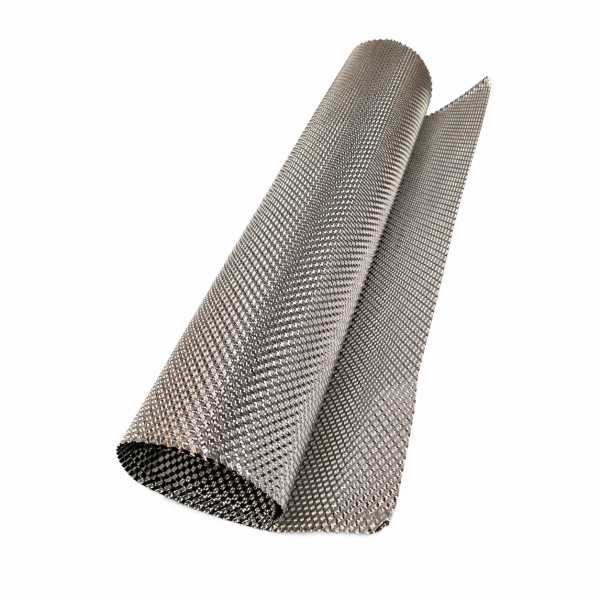
양각 처리된 스테인리스 스틸;
니켈 합금.
금속 열 차폐막은 다음과 같은 경우에 더 적합할 수 있습니다.
설치 두께는 얇게 유지되어야 합니다.
기계적 충격 저항성이 중요합니다.
방패는 특정한 형태를 유지해야 합니다.
주요 문제는 복사열입니다.
극한 환경에 적합한 제품도 BSTFLEX에서 생산합니다.합금 625 인코넬 열 차폐판구성 요소.
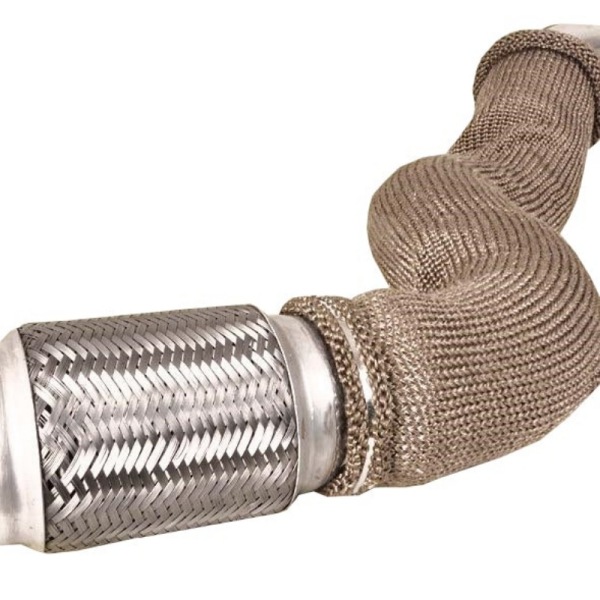
이 용어들은 종종 혼용되지만, 공학적 기능은 다를 수 있습니다.
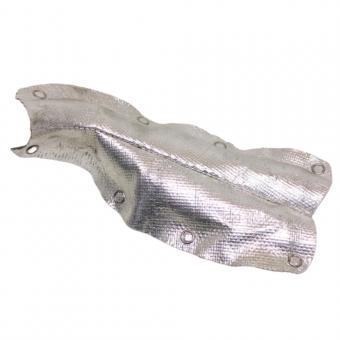
배기 파이프 단열재일반적으로 파이프를 둘러싸고 있으며 단열층을 통한 열 전달을 제한합니다.
안배기 파이프 열 차폐 장치일반적으로 파이프와 보호가 필요한 부품 사이에 위치합니다.
하나는 열을 포함하고 있습니다.
다른 쪽에서 이를 차단하거나 리디렉션합니다.
일부 배기 시스템에서는 두 가지 모두 사용됩니다.
디젤 엔진은 배기 파이프 주변에 탈착식 절연 덮개가 있을 수 있으며, 스테인리스 스틸 보호 장치가 인근 전기 장치를 보호합니다.
That combination can provide better thermal control than either solution alone.
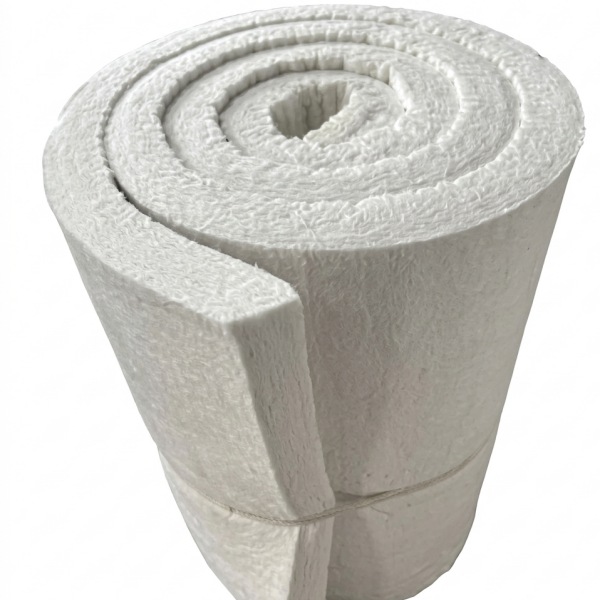
Material selection should begin with continuous operating conditions.
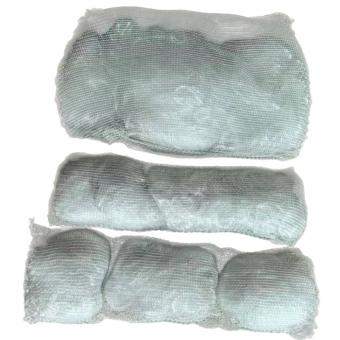
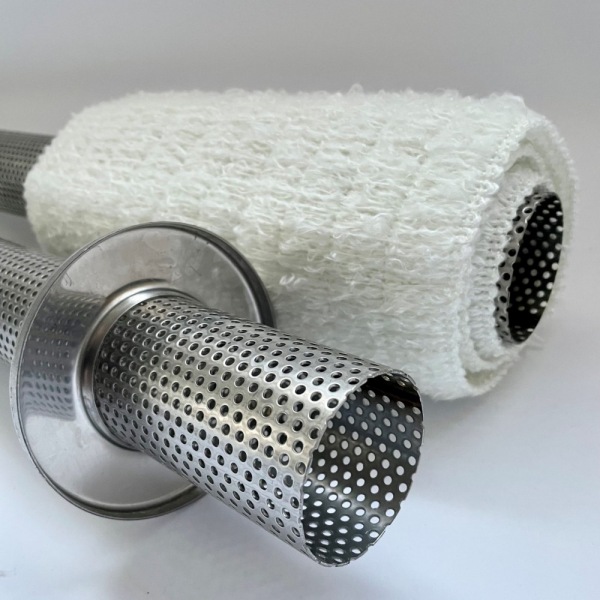
Fiberglass is one of the most widely used materials for exhaust insulation.
Advantages include:
flexibility;
good thermal resistance;
availability in many constructions;
practical manufacturing cost.
Fiberglass can be used in:
blankets;
tapes;
wraps;
sleeves;
composite heat shields.
It is often suitable for moderate and high-temperature exhaust applications where extreme temperature exposure is not continuous.
High silica material is selected when higher heat resistance is required.
It may be used as:
outer fabric;
inner hot-side layer;
insulation textile;
heat-resistant wrap.
Silica constructions are useful around:
turbocharged exhaust systems;
manifolds;
high-output diesel engines;
industrial exhaust equipment.
Basalt-based materials are frequently used in automotive and performance exhaust insulation.
They offer:
flexible installation;
strong heat resistance;
good compatibility with wrapped exhaust tubes.
Basalt is often seen in heat wrap and shaped blanket applications.
Where a greater temperature reduction is required within limited space, high-temperature insulation cores may be used.
These materials are normally enclosed within:
fiberglass fabric;
silica fabric;
stainless steel foil;
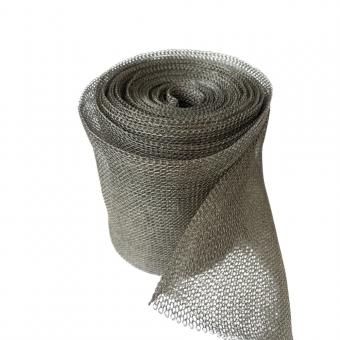
stainless steel mesh.
The insulation core should not be evaluated separately from the blanket construction.
Aluminum is primarily used as a reflective surface rather than a thick insulation medium.
Its low weight makes it particularly suitable for:
automotive underbody protection;
exhaust pipe heat shields;
muffler shields;
vehicle floor insulation.
Stainless steel is preferred where the exhaust heat shield also requires mechanical strength.
It performs well in applications exposed to:
vibration;
road debris;
repeated thermal cycling;
higher temperatures.
Nickel alloys such as Alloy 625 are reserved for demanding environments where temperature, oxidation and corrosion requirements exceed the limits of conventional sheet metals.
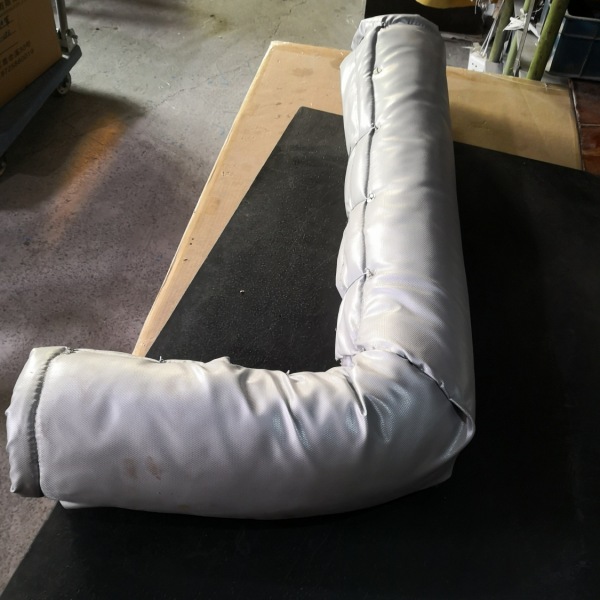
A thicker insulation layer generally reduces heat transfer more effectively, but this does not mean the thickest available blanket is automatically the best design.
Increasing thickness can create problems with:
component clearance;
mounting brackets;
adjacent pipe routing;
sensor access;
engine compartment packaging.
In tightly packaged automotive systems, only a few millimeters of space may be available.
In a large generator enclosure, considerably thicker insulation may be practical.
The correct insulation thickness should therefore balance thermal performance with installation geometry.
Diesel exhaust pipes frequently operate for long periods under load.
Heat containment becomes especially important in:
trucks;
construction equipment;
agricultural machinery;
industrial engines;
stationary power systems.
A removablediesel exhaust pipe insulationsystem can reduce heat released into the surrounding engine compartment while still allowing service access.
Generator exhaust piping often runs through compact acoustic enclosures.
This creates a concentrated heat source close to:
electrical cabinets;
acoustic materials;
engine components;
service areas.
A generator exhaust insulation system commonly uses removable sections around pipes, elbows and silencers.
This also allows the insulation to be removed during maintenance without replacing the entire system.
Marine exhaust systems present additional concerns including:
limited ventilation;
moisture;
salt exposure;
vibration;
restricted service space.
For dry marine exhaust systems, segmented blankets are often preferred because they allow easy access to flanges and exhaust connections.
Passenger and performance vehicles use exhaust insulation for:
headers;
downpipes;
catalytic converters;
center exhaust pipes;
mufflers.
Depending on available space, solutions may include:
wrap;
shaped blanket;
metal shield;
reflective barrier.
Industrial engines and machinery may use large-diameter exhaust lines that require customized blanket sections.
These applications often place greater importance on:
durability;
repeatable installation;
service access;
identification of individual insulation sections.
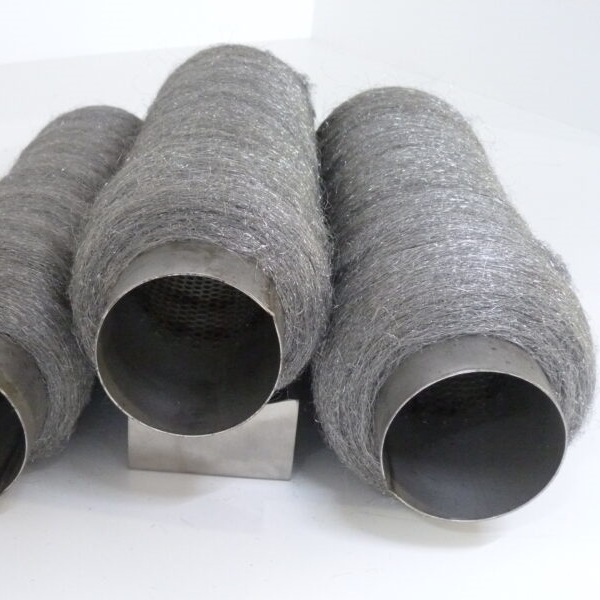
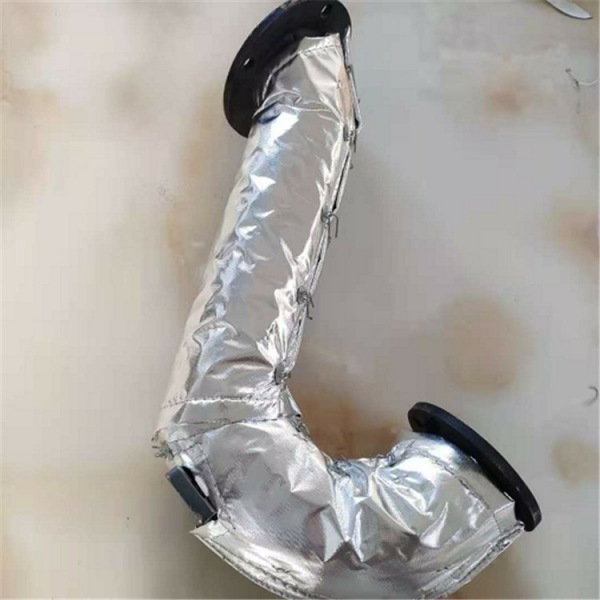
A bend is often more difficult to insulate than a straight pipe.
Wrap can follow gradual bends, but large industrial elbows may benefit from a fitted insulation blanket.
The BSTFLEXThermal Insulation Elbow Blanketis designed for curved exhaust geometry where a standard flat insulation section cannot maintain consistent coverage.
A well-designed elbow blanket should consider:
bend radius;
flange position;
pipe diameter;
seam location;
fastener access.
One of the most common weaknesses in an exhaust insulation system is the flange area.
A thick blanket may work well on the pipe but leave a large exposed metal flange.
That exposed section can become a strong local heat source.
For higher-performance systems, insulation should therefore be designed around:
flange diameter;
bolt access;
connection points;
sensors;
expansion joints.
A removable flap or separate flange blanket may be used where regular access is required.
For serious OEM projects, saying “we need exhaust insulation” is not enough.
A better specification is:
exhaust pipe operating temperature;
ambient temperature;
pipe diameter;
required outer surface temperature;
insulation thickness limit;
airflow condition.
This allows the insulation design to be evaluated against a measurable target.
Without these conditions, it is difficult to compare two insulation systems accurately.
Maintenance requirements are particularly important for:
marine engines;
generators;
mining equipment;
construction machinery;
industrial engines.
If technicians need frequent access to exhaust joints or engine components, permanent wrap can create additional maintenance work.
A removable blanket is usually more practical in these situations.
A segmented system may be designed so that:
each section has an identification mark;
only the required section is removed;
the blanket can be reinstalled after inspection.
This reduces disruption during service.
A high published temperature rating does not guarantee that the complete insulation system will perform correctly.
The full assembly must be considered.
An insulation material that performs well in a laboratory may fail quickly if it rubs continuously against a bracket or neighboring component.
Insulation should not prevent access to:
sensors;
clamps;
inspection ports;
flange bolts.
An exhaust system may need different thermal solutions in different areas.
For example:
manifold: shaped blanket;
straight pipe: wrap;
elbow: removable blanket;
muffler: metal shield.
The outer layer must suit the operating environment, not just the temperature.
Instead of selecting exhaust insulation by material name, use the following sequence.
For a simple tubular pipe:
Consider exhaust wrap or sleeve insulation.
For a pipe that requires regular inspection:
Use a removable pipe insulation blanket.
For an irregular elbow or flange:
Use a custom shaped blanket.
For protecting a nearby panel from radiant heat:
Use a metal or reflective heat shield.
For extreme heat and demanding environments:
Evaluate high-silica, high-temperature fiber, stainless steel or nickel-alloy constructions.
This approach is more reliable than choosing one product type for the complete exhaust system.
For accurate design and quotation, provide:
Pipe dimensions
outside diameter;
overall insulated length;
bend radius;
flange dimensions.
Temperature
normal operating temperature;
maximum temperature.
Installation environment
automotive;
marine;
generator;
industrial;
outdoor;
enclosed.
Service requirement
removable;
permanent;
frequency of maintenance.
Performance requirement
target external temperature;
maximum insulation thickness.
Project information
sample or drawing;
prototype quantity;
expected production volume.
The more complete the input data, the easier it is to design an insulation system that fits correctly from the first prototype.
Exhaust pipe insulation is worth considering whenever an exhaust line creates unacceptable heat exposure for the surrounding system.
The decision should be driven by actual conditions rather than by appearance.
If the objective is to lower heat around the pipe, protect surrounding components or create a safer service environment, an insulation blanket, wrap, sleeve or heat shield may be appropriate.
For applications involving multiple exhaust components, the best result often comes from combining several insulation methods.
BSTFLEX manufacturesexhaust heat shield insulation, removable blankets, exhaust wraps, lagging and custom metal heat shields for automotive, marine, diesel, generator and industrial exhaust systems.
맞춤형 배기 파이프 단열재를 주문하시려면 파이프 치수, 작동 온도, 설치 환경 및 필요한 수량을 알려주십시오. 그러면 일반적인 온도 등급이 아닌 실제 배기 시스템에 적합한 단열 구조를 선택할 수 있습니다.

No.10, Chuangxin North Road, Nanshan Park, Ningguo Economic and Technological Development Zone, Ningguo City, Anhui Province, China
전화/Whatsapp : 0086-15856303740
Skype : vanesa-cheng