무엇을 찾고 계신가요?
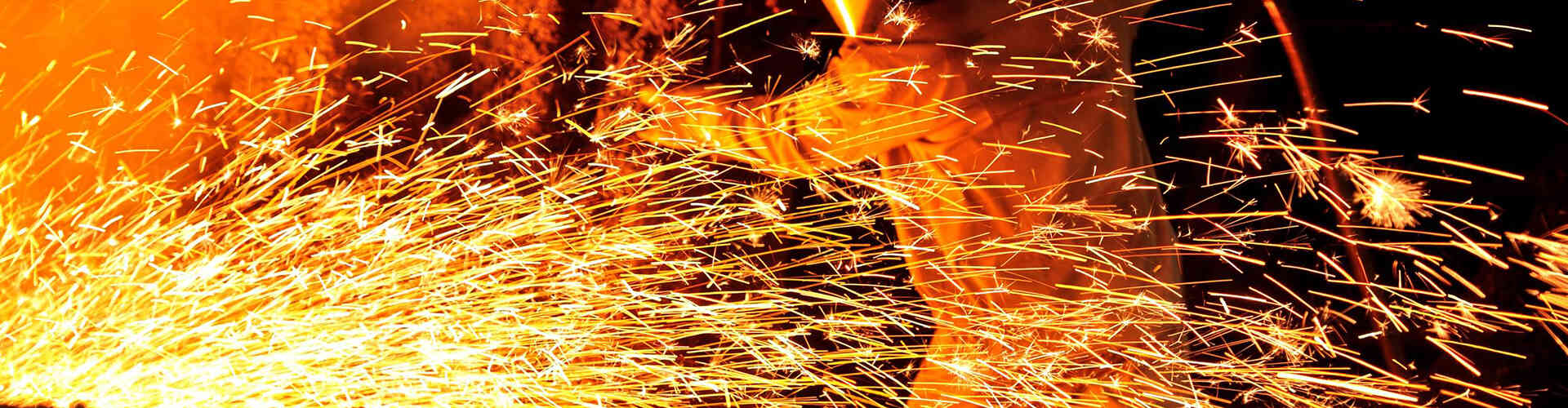
배기 시스템은 차량 또는 엔진 설치 시 가장 집중적인 열 발생원 중 하나입니다. 헤더, 매니폴드 및 다운파이프는 전기 배선, 호스, 센서, 차체 패널 및 흡기 부품과 매우 가까운 거리에서 작동해야 합니다. 공간이 제한적일 경우, 이러한 열을 제어하는 것은 선택 사양이 아닌 시스템 설계의 핵심 요소가 됩니다.
배기 랩이는 뜨거운 파이프에 단열재를 직접 놓는 가장 간단한 방법 중 하나입니다.
또한 다음과 같이 묘사됩니다.배기열 차단 랩, 배기 파이프 랩, 헤더 랩배기 단열 랩 또는 배기 파이프 단열재는 배기 파이프 주위에 겹쳐지는 층으로 설치되는 고온용 직물입니다. 다양한 온도 범위와 작동 환경에 따라 여러 가지 섬유 시스템을 사용할 수 있습니다.
BSTFLEX는 다양한 제품을 제조합니다.배기 및 헤더 열 차폐 랩자동차, 오토바이, 모터스포츠, 디젤 엔진, 해양 및 산업용 배기가스 열 관리 분야에 사용됩니다.
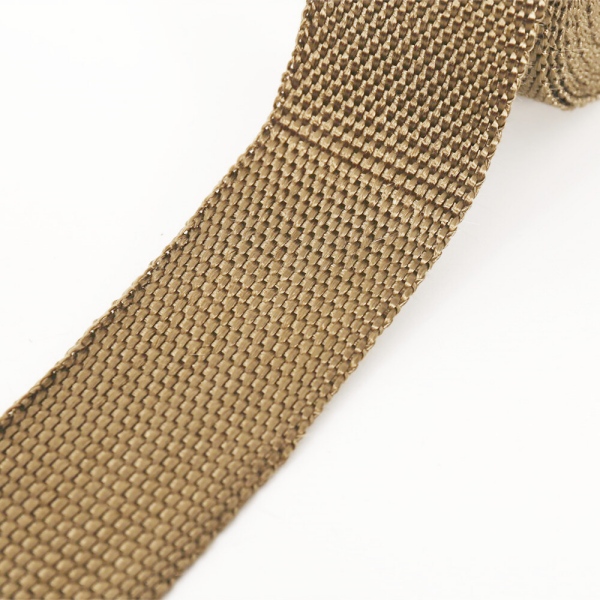
배기가스 단열재의 주요 기능은 단열입니다.
배기 파이프를 감싸지 않은 상태에서는 복사 및 대류를 통해 주변으로 열을 전달합니다. 파이프를 감싸면 뜨거운 금속과 주변 부품 사이에 단열 섬유층이 추가됩니다.
적절하게 선택한 랩은 다음과 같은 도움을 줄 수 있습니다:
배기관 주변의 복사열을 줄입니다.
호스, 배선 및 센서의 열 노출을 제한하십시오.
바닥과 벽체 쪽으로의 열 전달을 줄입니다.
엔진룸이 협소한 환경에서 열 제어를 개선합니다.
작업자가 뜨거운 표면에 실수로 접촉하는 것을 방지합니다.
배기 시스템 내에 더 많은 열에너지를 유지합니다.
마지막으로 언급할 점은 배기 매니폴드와 터보차저 다운파이프 주변에 배기열 차단 랩이 널리 사용되는 이유입니다.
하지만 배기 단열재를 만능 수리 재료로 취급해서는 안 됩니다. 일반적인 단열재는 균열된 파이프를 밀봉하거나 배기 누출을 수리하기 위한 것이 아니라 열 관리를 위한 용도로 제작되었습니다.
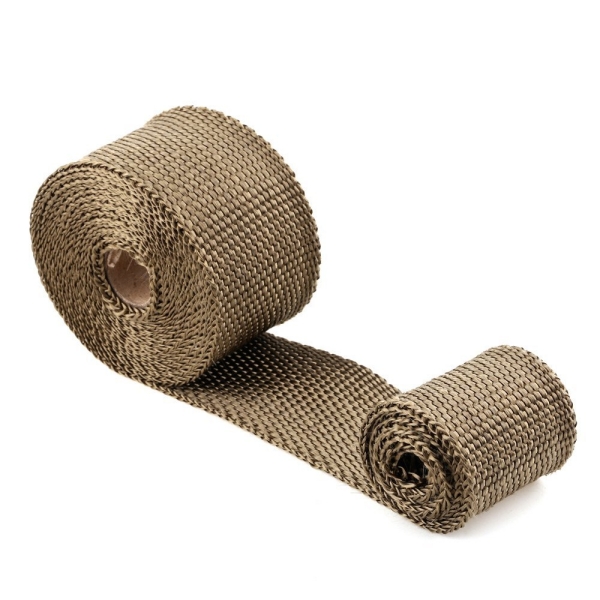
선택하는 것배기 파이프 랩색상이나 너비만으로 판단하는 것은 흔한 실수입니다.
완성된 설비의 성능은 여러 요소가 복합적으로 작용하여 결정됩니다.
| 선택 요인 | 왜 중요한가 |
|---|---|
| 배기 온도 | 필요한 광섬유 시스템을 결정합니다. |
| 파이프 직경 | 포장 폭과 필요한 롤 길이에 영향을 미칩니다. |
| 배기 형상 | 급격한 굴곡과 집진 장치에는 더 큰 유연성이 필요합니다. |
| 겹침 | 단열재 두께 및 재료 소비량에 영향을 미칩니다. |
| 습기 노출 | 도로, 해양 및 옥외 용도에 중요합니다. |
| 기름 및 연료 오염 | 장기적인 서비스 수명에 영향을 미칠 수 있습니다. |
| 진동 | 내구성과 고정 방식에 영향을 미칩니다. |
| 유지보수 빈도 | 정기적으로 탈착되는 부품에는 영구적인 보호 덮개가 적합하지 않을 수 있습니다. |
이러한 이유로 오토바이 헤더에 가장 적합한 배기 단열재가 터보 다운파이프나 산업용 디젤 배기 파이프에는 적합하지 않을 수 있습니다.
유리섬유는 일반적인 배기 단열재로 가장 널리 사용되는 재료 중 하나입니다.
유연하고 경제적이며, 굴곡부나 파이프 연결부에 잘 밀착되는 좁은 테이프 형태로 엮을 수 있습니다. 유리섬유 랩은 일반적으로 다음과 같은 곳에 사용됩니다.
자연흡기 자동차용 헤더;
오토바이 배기 파이프;
집수관;
일반 배기 튜브;
중고온 산업용 배관.
BSTFLEX는 다음과 같은 다양한 유리섬유 기반 구조물을 제공합니다.프로 블랙 배기 열 차단 랩고온 유리섬유 단열층과 스테인리스 스틸 외부 구조를 결합하여 마모 및 충격으로부터 추가적인 보호 기능을 제공합니다.
유리섬유는 최대 온도 성능보다 비용, 유연성 및 실용적인 열 제어가 더 중요한 응용 분야에서 출발점이 되는 경우가 많습니다.
용어티타늄 배기 랩고성능 자동차 시장에서 널리 사용되지만, 일반적으로 랩핑제에 금속 티타늄이 함유되어 있다는 것을 의미하지는 않습니다.
이러한 종류의 제품은 일반적으로 현무암이나 화산암에서 추출한 섬유로 만들어집니다.
현무암 섬유는 유연성, 내열성 및 반복적인 열 순환에 대한 저항성이 우수합니다. 이러한 특성으로 인해 다음과 같은 용도로 자주 사용됩니다.
성능 헤더;
터보 다운파이프;
오토바이 배기 시스템;
레이싱용 배기 시스템;
기존 유리섬유 제품보다 더 높은 열에 노출되는 설치물입니다.
BSTFLEX블랙 티타늄 배기 파이프 랩이 제품은 화산암에서 추출한 섬유로 제조되었으며 다양한 폭과 롤 길이로 제공됩니다. BSTFLEX는 이 제품이 최대 1800°F(약 972°C)의 직접적인 열 노출에 적합하며, 간헐적으로는 더 높은 온도에도 견딜 수 있음을 보증합니다.
현무암 기반 단열재의 실질적인 이점은 높은 내열성뿐만이 아닙니다. 단단한 단열 시스템 없이도 헤더와 배기 파이프의 굴곡부를 따라 유연하게 시공할 수 있다는 장점도 있습니다.
배기가스 온도가 일반 유리섬유의 실제 사용 범위를 벗어나면 고실리카 섬유가 더 적합한 선택이 됩니다.
실리카 섬유는 기존 E-유리보다 실리카 함량이 훨씬 높으며, 지속적인 고온 노출이 요구되는 곳에 사용됩니다.
BSTFLEX는 다음을 제조합니다.고온 인페르노 헤더 배기 열 차폐 랩질감이 있는 비정질 실리카 필라멘트 얀으로 만들어졌습니다. 이 제품은 최대 2000°F(약 1098°C)의 사용 온도에서 작동하도록 설계되었습니다.
일반적인 적용 분야는 다음과 같습니다.
터보차저 배기 시스템;
고출력 레이싱 엔진;
exhaust manifolds;
high-temperature headers;
industrial exhaust lines;
severe thermal zones where fiberglass may not provide enough temperature margin.
Silica wrap should therefore be considered when the design requirement is driven primarily by temperature rather than cost.
Some exhaust systems require more than simple woven fiber insulation.
Dust generation, surface abrasion, moisture exposure and installation cleanliness may also matter.
For these applications, composite constructions can provide additional properties.
The BSTFLEXSilicone Exhaust Wrap Composite Fiberglass & Silicone Laggingcombines a fiberglass insulation structure with a silicone outer treatment. The coating helps contain loose fibers and creates a more durable, cleaner external surface for applications where an exposed untreated textile is less desirable.
This type of construction can be useful on diesel engines, industrial pipework and equipment where durability and handling characteristics are important alongside thermal insulation.
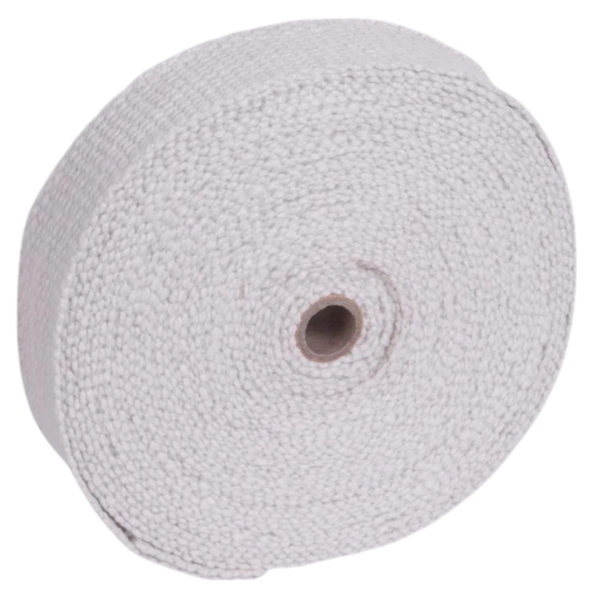
Headers are one of the most common locations forheader wrap.
Individual primary tubes create a large heated surface area, and they often pass close to ignition wiring, brake lines and other heat-sensitive components.
Flexible wrap can follow each primary tube much more easily than a rigid metal shield.
Cast or fabricated exhaust manifolds may also benefit from thermal containment, particularly in compact engine bays.
However, very irregular manifold shapes may be better suited to a removable insulation blanket rather than conventional spiral wrap.
A turbocharger downpipe can be one of the hottest exhaust components outside the turbine housing itself.
Using high-temperatureexhaust heat wraparound a downpipe can reduce radiant heat reaching:
intake piping;
wiring;
brake systems;
bulkheads;
transmission tunnels;
nearby body structures.
For severe turbo applications, basalt or silica materials are generally more relevant than entry-level fiberglass wrap.
Motorcycles expose exhaust headers close to the rider and surrounding bodywork.
For this reason,motorcycle exhaust wrapis used for both thermal management and surface-contact protection.
Fiberglass and basalt-based wraps are commonly selected depending on the temperature and desired appearance.
Diesel engines and generators often operate for long periods under sustained load.
In these systems, exhaust insulation is primarily about:
personnel protection;
nearby equipment protection;
compartment temperature control;
reduction of radiant heat.
Larger industrial systems may use wrap, lagging, removable blankets or combinations of these technologies.
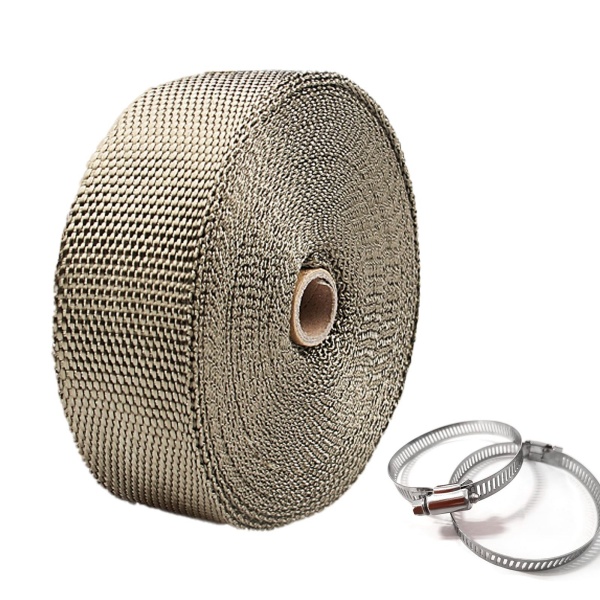
Both products insulate exhaust components, but their construction and installation are different.
Exhaust wrapis installed by winding narrow textile tape around the pipe.
It is best suited to:
headers;
long straight pipe sections;
small-diameter exhaust tubes;
collectors;
downpipes;
motorcycle exhaust systems.
Anexhaust insulation blanketis a preformed textile assembly designed to fit a specific component.
Blankets are more appropriate for:
turbochargers;
large manifolds;
silencers;
large-diameter exhaust pipe;
components that require regular service access.
If the component must be removed frequently, a reusable blanket may be more practical than permanently wrapped tape.
A metal heat shield works differently.
Instead of placing insulation directly against the exhaust pipe, a metal shield normally reflects or blocks radiant heat with an air gap between the hot component and the shield.
This makes metal heat shields useful where:
airflow is available;
the hot component must remain exposed;
service access is important;
direct pipe insulation is not desirable.
Exhaust wrap is generally easier to install around complicated tubing geometry, while a rigid heat shield can be more appropriate when controlling directional radiant heat.
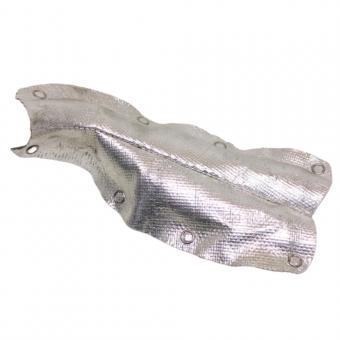
BSTFLEX supplies both textile wraps andexhaust heat shield insulation, allowing the thermal protection method to be matched to the actual installation rather than forcing every system into the same solution.
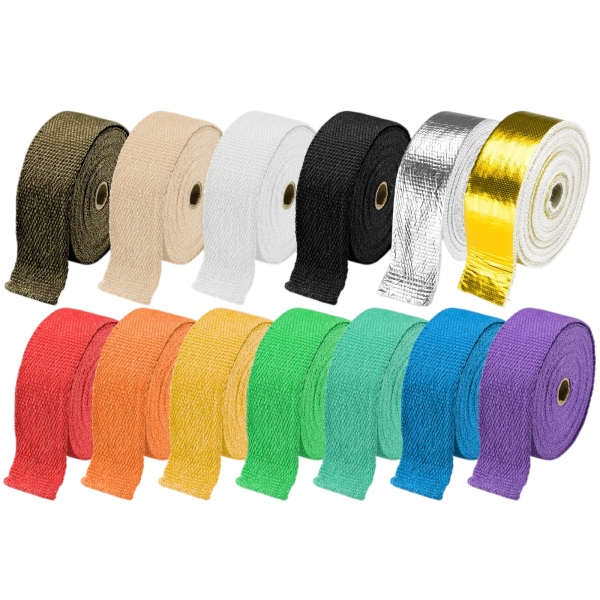
A useful selection process starts with five questions.
Do not select material only from engine horsepower or vehicle type.
Consider both:
continuous operating temperature;
short-duration peak temperature.
A naturally aspirated street engine, turbocharged racing vehicle and industrial diesel generator can have very different thermal requirements.
Stainless steel, mild steel and other exhaust alloys respond differently to repeated heat cycles and moisture exposure.
The pipe condition should also be inspected before wrapping.
Do not cover corrosion, cracks or damaged welds simply to hide them.
A narrow, flexible wrap is useful around:
tight-radius bends;
small motorcycle headers;
complex collectors.
Wider wrap covers straight pipe more quickly but can be harder to position around complicated geometry.
Road vehicles, marine equipment and industrial engines may encounter:
water;
mud;
salt;
oil;
fuel;
dust.
These factors should be considered when choosing both the wrap and any surface treatment.
If the pipe or component needs frequent inspection, a removable jacket or blanket may reduce maintenance time.
BSTFLEX also manufacturesHigh Velocity Jacket Exhaust System Wrap, a jacket-style approach for applications where conventional spiral wrapping is not the preferred installation method.
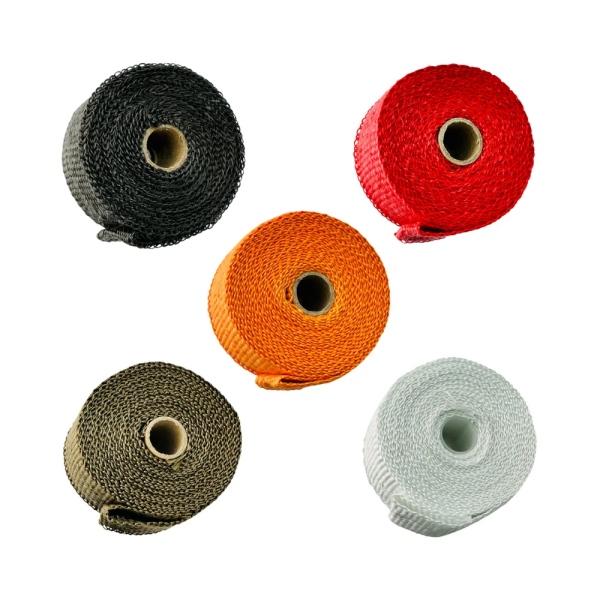
Two widths dominate many automotive installations:
1 inch wrap
Better suited to:
small-diameter tubing;
tight bends;
compact motorcycle headers;
complex collectors.
2 inch wrap
Better suited to:
longer straight exhaust pipes;
larger headers;
downpipes;
applications where faster installation is important.
BSTFLEX also manufactures wider exhaust wrap formats for large-diameter pipes and industrial installations.
The correct width should therefore be selected according to pipe diameter and geometry rather than assuming wider wrap is always better.
Even the correct exhaust wrap can perform poorly if installed incorrectly.
A typical installation involves:
Inspecting and cleaning the exhaust pipe.
Determining the starting point and wrap direction.
Maintaining a consistent overlap.
Working progressively around bends without creating large gaps.
Securing the beginning and end using stainless-steel ties or clamps.
Checking nearby brackets, sensors and moving components.
Re-inspecting the installation after the first thermal cycles.
The exact overlap should follow the product specification and application requirement.
Too little overlap may leave uneven thermal coverage.
Excessive overlap consumes more material and creates unnecessary thickness.
There is no single roll length that fits every exhaust system.
Material consumption depends on:
pipe outside diameter;
total pipe length;
wrap width;
overlap percentage;
number of bends;
collector geometry;
whether multiple layers are required.
For an OEM or production project, the better approach is to calculate material use from an actual drawing, pipe sample or installation specification rather than estimating from vehicle type alone.
BSTFLEX supports custom roll widths and lengths for volume projects where standard retail-sized rolls are inefficient.
Exhaust wrap is effective thermal insulation, but it has limits.
It does not replace:
repair welding;
exhaust leak repair;
damaged flange replacement;
structural pipe repair;
proper heat shielding around extremely sensitive components;
routine inspection of the exhaust system.
It should be treated as part of an engineered thermal management system.
For some installations, the best solution may combine:
exhaust wrap;
removable insulation blankets;
reflective barriers;
metal heat shields;
protective sleeves for nearby wiring and hoses.
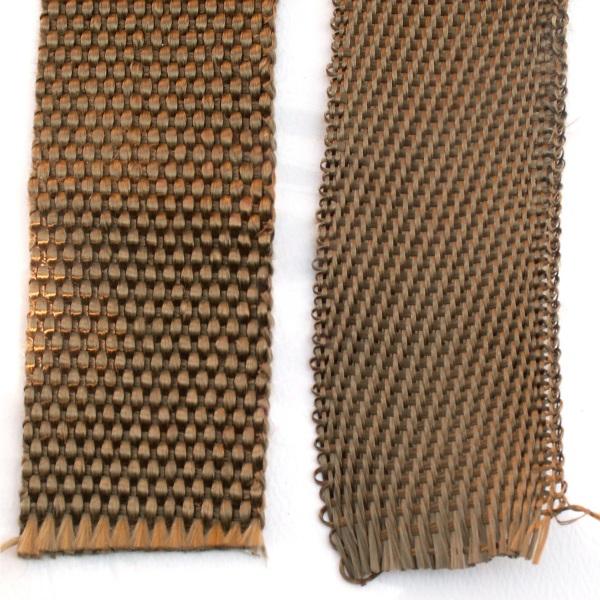
| Exhaust Application | Common Material Direction |
|---|---|
| General automotive header | Fiberglass |
| Motorcycle exhaust | Fiberglass or basalt |
| Performance header | Basalt / titanium-style |
| Turbo downpipe | Basalt or silica |
| Extreme-temperature header | Silica |
| Industrial exhaust pipe | Fiberglass, silica or composite |
| Diesel engine exhaust | Fiberglass, silica or silicone composite |
| High-abrasion area | Reinforced or composite construction |
The final choice should always be based on actual temperature, environment and installation design.
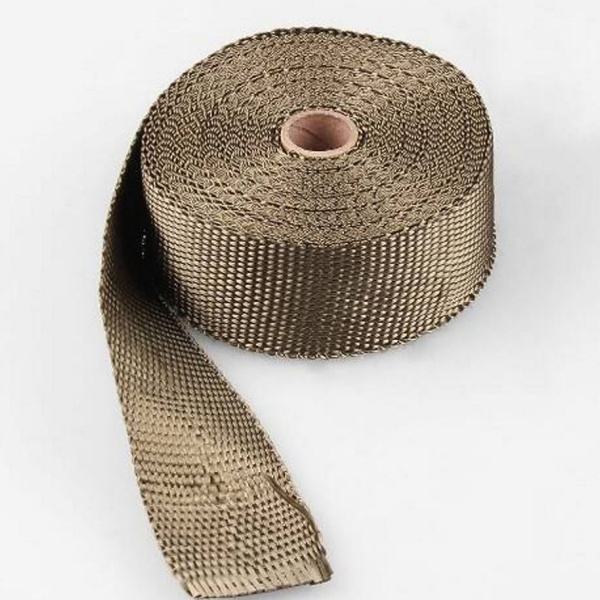
For manufacturers and distributors, exhaust wrap specification goes beyond choosing a fiber type.
Production requirements may include:
non-standard widths;
specific roll lengths;
private-label packaging;
custom colors;
material identification;
stainless-steel fixing ties;
application-specific constructions;
sample-based development.
BSTFLEX manufactures exhaust thermal protection products for OEM, distributor and industrial applications and can develop specifications around the exhaust system rather than supplying only fixed retail configurations.
Explore the completeBSTFLEX Exhaust and Header Heat Wrap rangefor fiberglass, basalt, silica, composite and specialty exhaust insulation products.
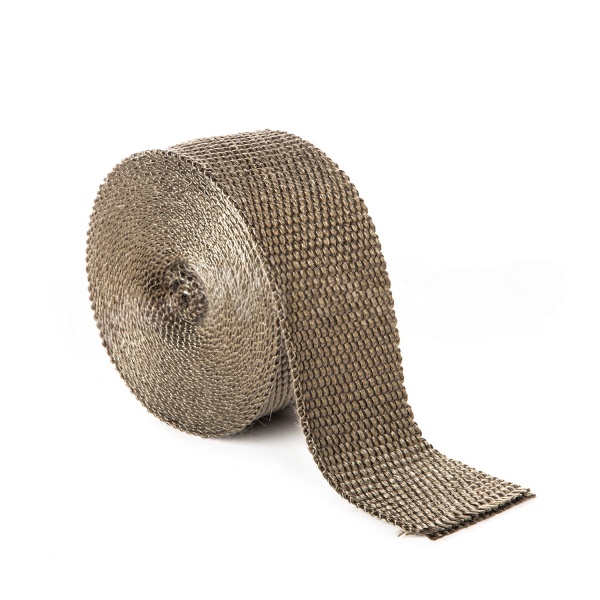
Exhaust wrap is a woven high-temperature insulation tape installed directly around exhaust pipes, headers, manifolds or downpipes to reduce radiant heat and improve thermal containment.
In most automotive and industrial applications, the terms refer to the same general product family. “Exhaust heat wrap” emphasizes its thermal insulation function, while “exhaust wrap” is the broader commercial term.
어느 한 가지 최고의 소재를 꼽을 수는 없습니다. 유리섬유는 일반적인 용도에 적합하고, 현무암은 고성능 시스템에 주로 사용되며, 고실리카 랩은 극한의 온도 환경에 적합합니다.
네. 배기관은 고온 배기 단열재를 흔히 사용하는 부위입니다. 재질은 실제 연속 배기 온도와 최고 배기 온도를 고려하여 선택해야 합니다.
일반적으로 그렇지 않습니다. 티타늄 배기 가스 단열재로 판매되는 제품은 금속 티타늄이 아닌 현무암이나 화산암에서 추출한 섬유로 만들어지는 경우가 많습니다.
아니요. 일반적인 배기 단열재는 열 관리를 위한 것이지, 구조적인 배관이나 누출 수리를 위한 것이 아닙니다.
일반적으로 좁은 단열재는 직경이 작은 파이프나 굴곡이 심한 곳에 설치하기가 더 쉽고, 넓은 단열재는 직경이 크거나 직선인 배기관에 설치하는 것이 더 빠릅니다.

No.10, Chuangxin North Road, Nanshan Park, Ningguo Economic and Technological Development Zone, Ningguo City, Anhui Province, China
전화/Whatsapp : 0086-15856303740
Skype : vanesa-cheng